
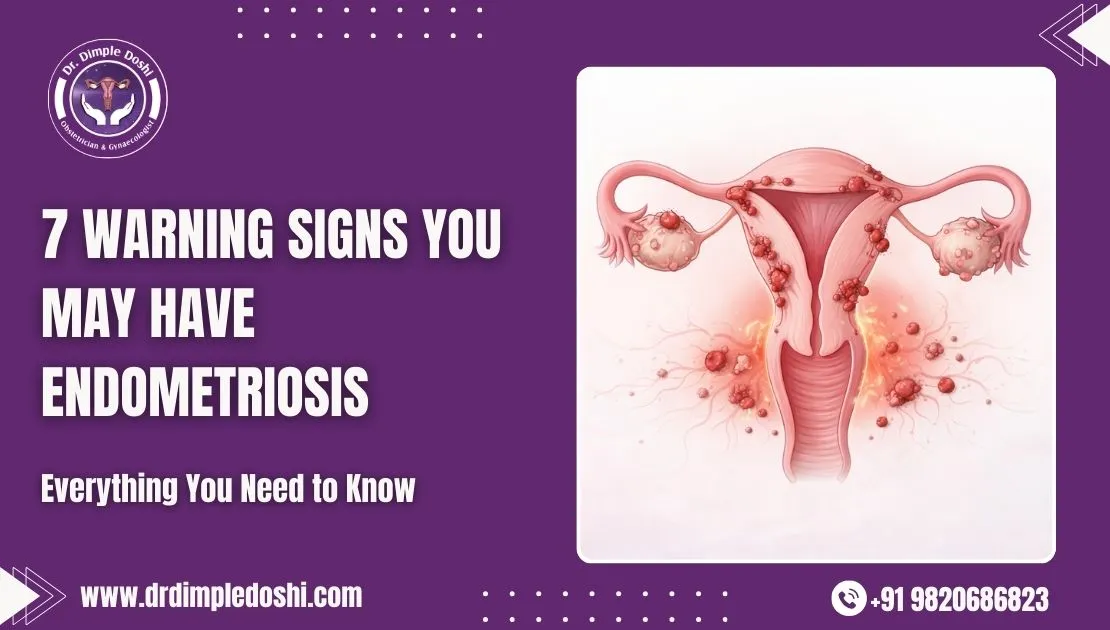
Endometriosis is more than “bad period pain.” It is a chronic condition in which tissue similar to the lining of the uterus grows outside the uterus, often leading to pelvic pain, painful periods, bowel or bladder symptoms, and sometimes difficulty conceiving. Many women live with symptoms for years before getting the right diagnosis, so recognizing the warning signs early matters. (ACOG)
If your pain is affecting your routine, relationships, work, sleep, or emotional wellbeing, your body may be telling you something important. Here are seven common signs that may suggest endometriosis. (NICE)
1) Your Period Pain Is Severe and Disabling
If your cramps are so intense that you need to miss work, cancel plans, stay in bed, or repeatedly depend on strong painkillers, this is not something to dismiss as “normal.” Severe menstrual pain that goes beyond usual cramps is one of the most common warning signs of endometriosis. (ACOG)
Painful periods due to endometriosis may also begin before bleeding starts and continue even after the flow has reduced. (Mayo Clinic)
2) You Have Pelvic Pain Even When You Are Not on Your Period
Endometriosis pain is not always limited to menstruation. Some women experience a constant dull ache, pelvic heaviness, lower back pain, or recurring pelvic discomfort throughout the month. Chronic pelvic pain is a major symptom pattern in endometriosis. (ACOG)
If your pelvic pain keeps returning even outside your cycle, it deserves proper gynecologic assessment. (NICE)
3) Sex Is Painful, Especially Deep Inside
Pain during intercourse, particularly deep pain during or after sex, is a classic symptom of endometriosis. Many women hesitate to mention it, but it is an important clinical clue and should not be ignored. (ACOG)
When this symptom is persistent, it can affect intimacy, confidence, and quality of life. (NICE)
4) You Feel Pain While Passing Stool or Urine, Especially Around Periods
If you notice pain while opening your bowels, pain while passing urine, or pelvic pressure that worsens around menstruation, endometriosis is one possible cause. This is especially relevant when the symptom repeats in a cyclical pattern every month. (ACOG)
Bladder and bowel-related pain linked to your period should never be brushed aside as routine menstrual discomfort. (NICE)
5) Your Periods Are Heavy, Prolonged, or Irregularly Painful
Some women with endometriosis experience heavy menstrual bleeding, prolonged flow, or spotting along with pain. Heavy bleeding is not present in every case, but when it appears with severe cramps and pelvic pain, it strengthens the suspicion. (ACOG)
If your periods are changing over time and becoming more painful or more exhausting, it is worth investigating. (Mayo Clinic)
6) You Are Struggling to Conceive
Endometriosis is associated with reduced fertility in some women. If you have been trying to conceive and also have painful periods, pelvic pain, or painful intercourse, this combination should raise concern. (NICE)
Not every woman with endometriosis has infertility, but fertility difficulty can be one of the first signs that leads to diagnosis. (ACOG)
7) Your Symptoms Are Affecting Your Daily Life, but You Keep Being Told It Is “Normal”
One of the biggest warning signs is not just the pain itself, but how much it disrupts your life. If your symptoms are affecting your work, sleep, exercise, mood, relationships, or emotional wellbeing, they are clinically important. Endometriosis is known to reduce quality of life and may be associated with delayed diagnosis. (NICE)
Pain that repeatedly gets dismissed does not become normal just because it is common. (NICE)
When Should You See a Gynecologist?
You should seek medical evaluation if you have:
- severe period pain
- chronic pelvic pain
- pain during or after sex
- pain with bowel movements or urination during periods
- heavy painful periods
- infertility concerns
- symptoms that are worsening over time (ACOG)
A gynecologist may suspect endometriosis based on your symptoms, examination, ultrasound findings in some cases, and response to treatment. Laparoscopy may be considered in selected patients when needed for diagnosis or treatment. (NICE)
Frequently Asked Questions
Q1. Are painful periods always a sign of endometriosis?
Ans. No. Painful periods can happen for many reasons. But when the pain is severe, worsening or lasting through the entire menstrual period sometimes starting before and lasting even after periods get over., or associated with pelvic pain, painful sex, bowel/bladder pain, or infertility, endometriosis should be considered. (ACOG)
Q2. Can I have endometriosis even if my ultrasound is normal?
Ans. Yes. A normal ultrasound does not rule out all forms of endometriosis. Some forms, especially superficial disease, may not be clearly seen on routine imaging. (NICE)
Q3. Does endometriosis always cause infertility?
Ans. No. Many women with endometriosis can conceive naturally, but the condition can reduce fertility in some patients. (NICE)
Q4. Is heavy bleeding necessary for a diagnosis of endometriosis?
Ans. No. Heavy bleeding may occur in some women, but many patients with endometriosis mainly present with pain rather than very heavy flow. (ACOG)
Q5. Can endometriosis get worse with time?
Ans. Symptoms may worsen over time in some women, especially if the condition remains untreated. (Mayo Clinic)
Conclusion
If you are experiencing severe period pain, chronic pelvic pain, painful intercourse, or difficulty conceiving, do not keep suffering in silence. A timely consultation can help identify whether endometriosis is the cause and guide you toward the right treatment plan.
Book your consultation with Dr. Dimple Doshi for expert evaluation and advanced gynecologic care in Goregaon West, Mumbai.