Dr. Dimple Doshi (MBBS, MD, DGO)
Lady Gynecologist & Laparoscopic Surgeon
27+ years’ experience
20,000+ surgeries completed
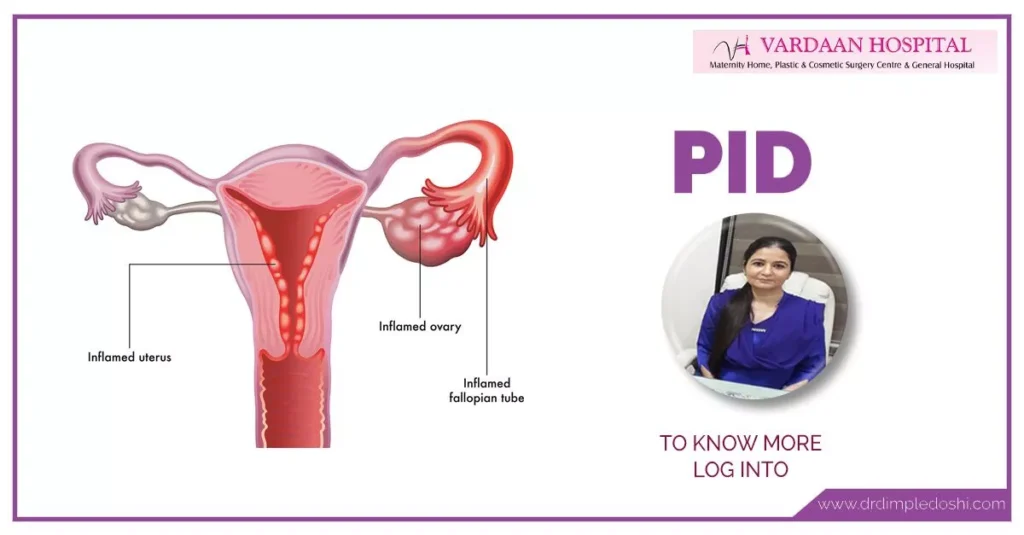
Are you experiencing persistent lower abdominal pain, fever, or unusual vaginal discharge? These symptoms can sometimes indicate Pelvic Inflammatory Disease (PID), an infection affecting the uterus, fallopian tubes, and ovaries.
Many women hesitate to seek help due to embarrassment or uncertainty about symptoms. However, early medical care is important because untreated PID may affect long-term reproductive health.
In my clinical experience, prompt diagnosis and the right treatment help control the infection effectively and protect future fertility.
Pelvic Inflammatory Disease (PID) is an infection of the female reproductive organs that can affect the uterus, fallopian tubes, and ovaries.
PID usually occurs when bacteria travel from the vagina or cervix into the upper reproductive organs.
PID is an infection of the upper reproductive tract
It commonly affects the uterus, fallopian tubes, and ovaries
It may develop when bacteria spread upward from the vagina or cervix
The condition can affect women during their reproductive years
Early treatment is important to prevent complications
PID can vary from mild infection to more serious inflammation involving multiple reproductive organs.
Dr. Dimple Doshi’s Tip:
Many women ignore early symptoms thinking they are routine infections. Seeking timely evaluation helps prevent complications and supports long-term reproductive health.
PID symptoms often include lower abdominal pain, abnormal vaginal discharge, fever, or discomfort during intercourse.
Symptoms may vary in severity, and in some cases they may be mild or gradual.
Persistent lower abdominal or pelvic pain
Foul-smelling vaginal discharge
Fever or chills
Pain during sexual intercourse
Painful urination
Irregular menstrual bleeding
Fatigue or general discomfort
Because symptoms may overlap with other gynecological conditions, medical evaluation is recommended if these symptoms persist.
PID is usually caused by bacteria entering the reproductive tract and spreading upward from the cervix to the uterus and fallopian tubes.
Several infections and risk factors can contribute to the development of PID.
Bacterial infections spreading from the vagina or cervix
Untreated sexually transmitted infections (STIs)
Multiple sexual partners
Previous history of pelvic infections
Medical procedures involving the uterus or cervix
The infection may gradually spread if not treated early.
Certain lifestyle or medical factors may increase the likelihood of developing Pelvic Inflammatory Disease.
Sexually active women under age 25
History of sexually transmitted infections
Previous episodes of PID
Multiple sexual partners
Inconsistent use of barrier protection
Recent gynecological procedures
Understanding risk factors helps women seek timely evaluation and preventive care.
Untreated PID can lead to long-term complications affecting reproductive health and pelvic organs.
Chronic pelvic pain
Infertility due to fallopian tube damage
Ectopic pregnancy
Pelvic abscess formation
Recurrent pelvic infections
Early diagnosis and treatment significantly reduce the risk of these complications.
Dr. Dimple Doshi’s Tip:
In my clinical practice, early treatment of PID often prevents long-term fertility problems. Women should not delay care when symptoms appear.
PID diagnosis involves clinical examination along with tests to confirm infection and assess reproductive organ health.
A gynecologist evaluates symptoms and performs necessary investigations.
Detailed medical history
Pelvic examination
Vaginal or cervical swab tests
Blood tests to detect infection
Ultrasound imaging of the pelvis
These tests help identify the infection and rule out other conditions.
PID treatment focuses on eliminating infection, relieving symptoms, and preventing long-term complications.
Early treatment often leads to better outcomes.
Primary treatment for PID
May involve oral or injectable antibiotics
Course must be completed as prescribed
Pain relief medication if required
Rest and hydration
Temporary avoidance of sexual activity during treatment
In some cases, sexual partners may also require evaluation and treatment to prevent reinfection.
Preventive measures can significantly reduce the risk of PID and protect reproductive health.
Practice safe sexual health habits
Seek early treatment for vaginal infections
Attend regular gynecological checkups
Avoid delaying treatment for pelvic pain or unusual discharge
Follow medical advice after gynecological procedures
Preventive care plays an important role in maintaining reproductive health.
Ans. No. PID requires medical treatment, usually antibiotics, to eliminate infection and prevent complications.
Ans. PID itself is not an STI, but it often develops from untreated sexually transmitted infections.
Ans. Untreated PID can damage fallopian tubes, which may affect fertility in some cases.
Ans. Treatment typically involves a course of antibiotics lasting 1–2 weeks, depending on the severity.
Ans. Yes. Recurrent infections are possible if risk factors remain or if treatment is incomplete.
Ans. Yes. Persistent pelvic pain, fever, or abnormal discharge should always be evaluated by a gynecologist.
Pelvic Inflammatory Disease is a serious but treatable condition affecting the female reproductive organs. Recognizing symptoms early and seeking medical care can help prevent long-term complications and protect reproductive health.
With timely diagnosis and appropriate treatment, most women recover well and avoid serious complications.
If you experience persistent pelvic pain, fever, or unusual vaginal discharge, consulting an experienced gynecologist can help ensure proper diagnosis and effective treatment.