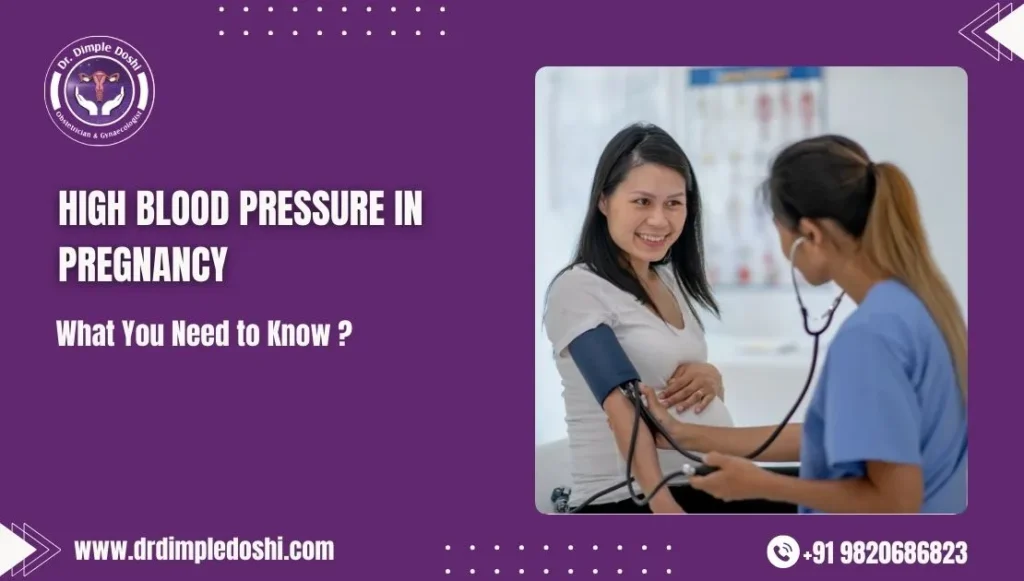
High blood pressure during pregnancy is a condition that needs careful attention. While many women feel perfectly well, uncontrolled hypertension can silently affect the mother, the baby, or both. With early diagnosis, regular monitoring, and proper management, most women with high blood pressure go on to have safe pregnancies and healthy babies.
High blood pressure (hypertension) occurs when the force of blood against the artery walls is consistently higher than normal. During pregnancy, this can interfere with blood flow to vital organs and the placenta, increasing the risk of complications if not managed in time.
In my clinical experience, timely detection of pregnancy-related hypertension makes a huge difference to outcomes.
This type of hypertension develops after 20 weeks of pregnancy.
Usually settles within 3 months after delivery
In some women, it may progress to preeclampsia
Severe cases may cause:
Preterm delivery
Low birth weight babies
This type of high blood pressure:
Exists before pregnancy or
Is detected before 20 weeks of gestation
Sometimes the exact onset is unclear
Requires close monitoring throughout pregnancy
Preeclampsia develops after 20 weeks of pregnancy and is associated with damage to organs such as:
Kidneys
Liver
Brain
Blood clotting system
It usually occurs in the third trimester, but in some women, symptoms may appear after delivery, a condition known as postpartum preeclampsia.
Eclampsia is the most severe form of pregnancy-related hypertension.
Characterized by seizures (fits)
Can occur during pregnancy or shortly after delivery
Is a medical emergency requiring immediate treatment
Some women may have no symptoms at all, which is why regular antenatal check-ups are so important. When present, symptoms may include:
Dr. Dimple Doshi’s Tip:
Never ignore persistent headaches or vision changes during pregnancy—these are warning signs that need urgent evaluation.
Leads to decreased oxygen and nutrients to the baby
Can result in:
Preterm birth
Low birth weight
Increased risk of neonatal infections and breathing problems
Premature separation of the placenta from the uterus
Causes heavy bleeding
Can be life-threatening for both mother and baby
Baby’s growth slows down inside the uterus
Requires close monitoring and timely delivery
Uncontrolled blood pressure can cause:
Internal bleeding
Hemorrhage
Damage to heart, kidneys, liver, lungs, or brain
Women with preeclampsia have a higher risk of:
Hypertension later in life
Cardiovascular disease
Risk increases if preeclampsia occurs in more than one pregnancy
Seizures can lead to:
Oxygen deprivation to mother and baby
Brain injury
Long-term neurological and psychological effects
Hypertension in pregnancy can be effectively managed with close medical supervision and lifestyle measures.
Attend all scheduled antenatal visits
Take blood pressure medicines only as prescribed
Never skip or alter doses without consulting your gynecologist
Engage in moderate physical activity as advised
Follow a balanced diet:
Reduce salt intake
Avoid canned foods, ready-to-eat meals, soups, burgers, pizza, and junk food
Stop smoking and alcohol completely
Dr. Dimple Doshi’s Tip:
Blood pressure control is not just about medicines—diet, rest, and monitoring are equally important.
The timing of delivery depends on multiple factors, including:
Your gynecologist is the best person to decide when and how delivery should be planned to ensure the safety of both mother and baby.
High blood pressure in pregnancy is a serious but manageable condition. With regular antenatal care, early recognition of symptoms, and proper treatment, most women have successful pregnancy outcomes. The key lies in awareness, compliance, and trust in medical guidance.
At Vardaan Hospital, Goregaon West, Mumbai, I ensure individualized care for every pregnant woman with hypertension, focusing on timely intervention and safe delivery. Remember—early action saves lives and protects futures.