
Introduction
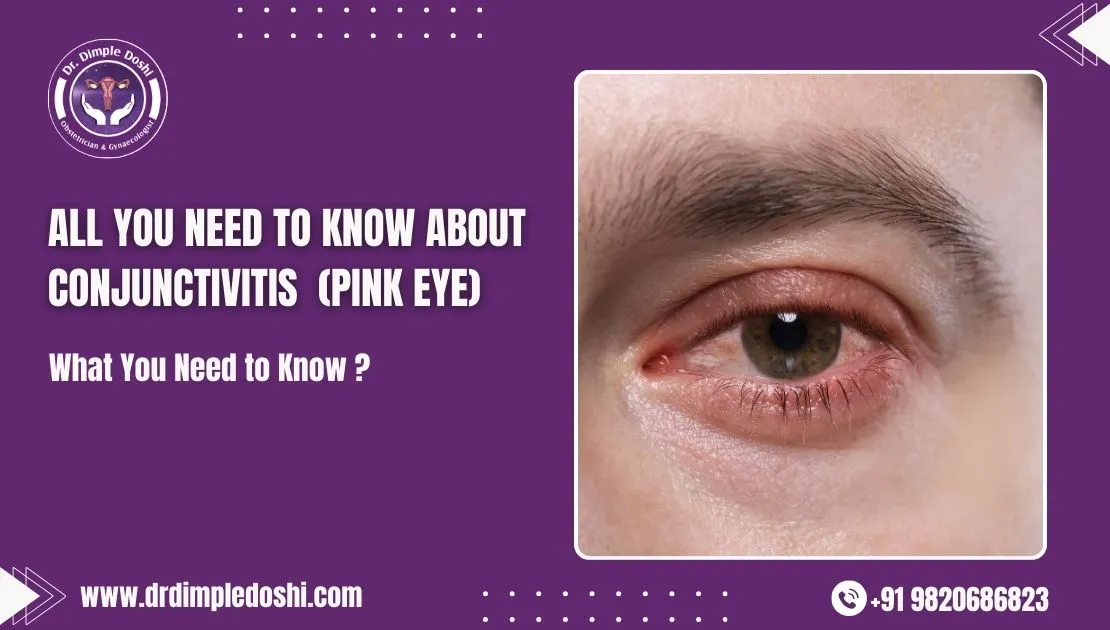
Conjunctivitis, commonly called pink eye, is a very common eye condition that can affect people of all ages. It occurs when the conjunctiva—the thin, transparent lining covering the white part of the eye and the inner surface of the eyelids—becomes inflamed. This inflammation causes the eye to appear red or pink, often accompanied by irritation and discharge. While conjunctivitis is usually mild, it can be uncomfortable and, in some cases, highly contagious.
What is conjunctivitis?
Conjunctivitis is inflammation of the conjunctiva, leading to redness, swelling, and discomfort in one or both eyes. It may be infectious or non-infectious, depending on the cause.
What are the different types of conjunctivitis?
Conjunctivitis is broadly classified into three main types:
- Infectious conjunctivitis
- Allergic conjunctivitis
- Chemical conjunctivitis
Each type has a different cause and requires a different approach to treatment.
What causes conjunctivitis?
The most commonly identified causes include:
- Viruses
- Bacteria
- Allergens (dust, pollen, animal dander)
Other possible causes are:
- Chemicals
- Contact lens use
- Foreign body in the eye
- Fungal infections
- Amoeba or parasitic infections
- External irritants such as smoke, dust, or fumes
What are the symptoms of conjunctivitis?
Symptoms may vary depending on the cause but commonly include:
- Pink or red coloration of the white part of the eye
- Swelling of the conjunctiva
- Increased tear production
- Itching, irritation, or burning sensation
- Discharge of mucus or pus
- Crusting of the eyelids, especially on waking in the morning
How contagious is conjunctivitis?
Viral and bacterial conjunctivitis are highly contagious
Infection spreads easily through:
Touching infected eyes
Contaminated hands, towels, makeup, or eye drops
A person remains contagious as long as symptoms are present
Practicing good hygiene is key to preventing spread.
Conjunctivitis during pregnancy
Conjunctivitis during pregnancy occurs for the same reasons as in non-pregnant individuals. However, due to changes in immunity during pregnancy, women may be more susceptible to infections.
In my clinical experience, conjunctivitis in pregnancy is usually mild and treatable, but medication safety must always be considered.
How is conjunctivitis treated?
Treatment depends on the underlying cause:
Home remedies
These do not cure infection but can relieve symptoms and are generally safe, even during pregnancy:
Warm or cold compresses
Gentle eye cleansing
Avoiding contact lenses
Applying cooled green tea bags over closed eyes
Over-the-counter medications
Oral antihistamines for itching and redness
Paracetamol (Tylenol) for pain relief if required
Medicated eye drops
Bacterial conjunctivitis: Antibiotic eye drops (only after medical advice)
Usually improves within 5–7 days
Allergic conjunctivitis: Antihistamine eye drops
Viral conjunctivitis:
Often self-limiting, resolves in 7–10 days
Antivirals may be needed in infections like herpes or varicella
Chemical conjunctivitis:
Immediate washing with clean, lukewarm water to remove the irritant
Dr. Dimple Doshi’s Tip:
Never self-medicate with eye drops during pregnancy—always confirm safety with your doctor.
How can conjunctivitis be prevented?
Simple hygiene measures can significantly reduce the risk:
- Wash hands with soap and water for at least 20 seconds
- Use alcohol-based sanitizer (≥60%) if soap is unavailable
- Avoid rubbing or touching your eyes
- Do not use the same eye drop bottle for both eyes if only one is infected
- Clean eye discharge with cotton swabs and discard after use
- Wash pillowcases, bedsheets, and towels regularly
- Avoid contact lenses until fully healed
- Clean eyeglasses properly and keep them separate
- Do not share towels, makeup, eyeliner, or cosmetics
- Avoid swimming pools during infection, as chlorine can worsen irritation
Conclusion
Conjunctivitis is usually a mild and treatable condition, but it can be uncomfortable and highly contagious. Early recognition, proper hygiene, and appropriate treatment help ensure quick recovery and prevent spread to others. During pregnancy, extra care should be taken regarding medication safety, but most cases resolve without complications.
If symptoms persist, worsen, or involve pain or vision changes, timely medical evaluation is essential. With the right care, conjunctivitis can be managed safely and effectively.