Dr. Dimple Doshi (MBBS, MD, DGO)
Lady Gynecologist & Laparoscopic Surgeon
27+ years’ experience
20,000+ surgeries completed
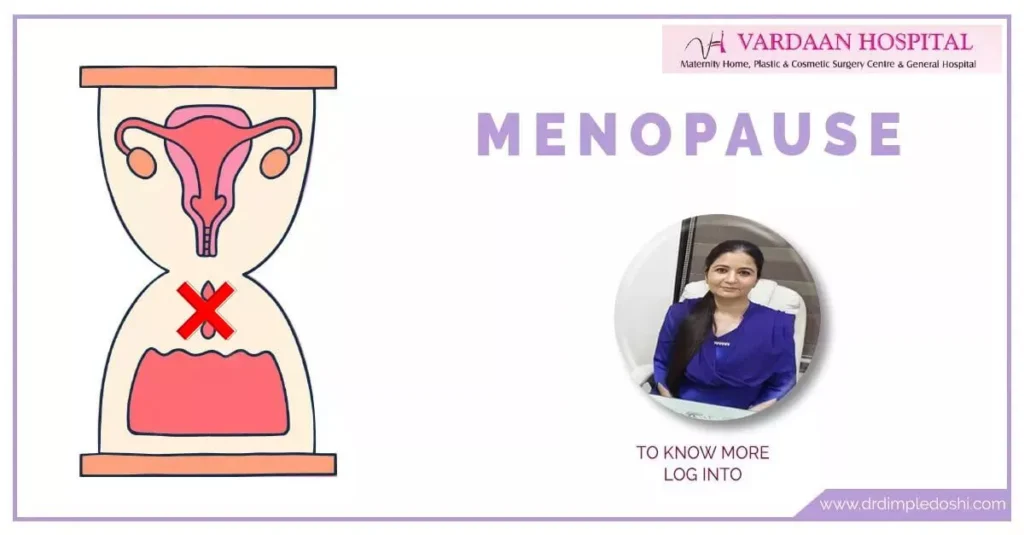
Many women feel confused when their periods become irregular, hot flashes start suddenly, or sleep becomes disturbed. These changes often signal menopause — a natural stage in a woman’s life.
While menopause is normal, the symptoms can sometimes feel overwhelming. With the right medical guidance, however, women can navigate this phase comfortably and maintain their health, confidence, and quality of life.
In my clinical experience, early understanding and proper care make menopause a smooth transition rather than a stressful one.
Menopause is the stage when a woman’s menstrual periods stop permanently due to declining reproductive hormones, usually occurring between ages 45–55.
Menopause is a natural biological transition that marks the end of a woman’s reproductive years.
Menopause is diagnosed when periods stop for 12 consecutive months
It occurs due to a natural decline in estrogen and progesterone
Most women experience menopause between 45 and 55 years of age
The years leading up to menopause are called perimenopause
Symptoms may begin several years before the final period
During menopause:
Ovaries gradually reduce hormone production
Estrogen levels decline
Ovulation stops
Menstrual cycles become irregular before stopping
These hormonal shifts are responsible for many physical and emotional symptoms.
Dr. Dimple Doshi’s Tip:
In my OPD, many women worry that menopause means loss of health or vitality. With proper medical support and lifestyle adjustments, women can remain active, energetic, and healthy during this phase.
Menopause symptoms occur due to hormonal fluctuations and may affect sleep, mood, body temperature regulation, and vaginal health.
Every woman experiences menopause differently.
Hot flashes and night sweats
Irregular periods
Sleep disturbances
Mood swings and irritability
Fatigue and low energy
Vaginal dryness
Reduced libido
Joint and muscle pain
Difficulty concentrating
Weight gain around the abdomen
Some women experience mild symptoms, while others may find them significantly affecting daily life.
Menopause occurs naturally when the ovaries gradually stop producing reproductive hormones like estrogen and progesterone.
The primary cause is the aging of ovarian follicles.
Natural age-related hormonal decline
Reduced ovarian follicle reserve
Genetic factors
Medical treatments affecting ovaries
Natural menopause – occurs naturally with age
Early menopause – before age 45
Premature menopause – before age 40
Surgical menopause – removal of ovaries during surgery
Women undergoing surgical menopause may experience more intense symptoms because hormone levels drop suddenly.
Women should consult a gynecologist if menopause symptoms affect daily life or if periods stop earlier than expected.
Medical evaluation is important in certain situations.
Severe hot flashes or night sweats
Heavy or irregular bleeding
Early menopause before age 45
Persistent sleep problems
Vaginal dryness causing pain during intercourse
Sudden mood changes or anxiety
Bone or joint pain
A gynecologist can assess symptoms and recommend personalized treatment options.
Menopause is usually diagnosed based on symptoms and menstrual history, but certain tests may help confirm hormonal changes.
In most cases, diagnosis is clinical.
Detailed medical history
Review of menstrual cycle changes
Physical examination
Hormone blood tests (if required)
FSH (Follicle Stimulating Hormone)
Estrogen levels
Thyroid function tests
Bone density test (DEXA scan)
These tests help rule out other conditions and assess overall health.
Menopause treatment focuses on relieving symptoms, protecting bone health, and improving quality of life.
Treatment is personalized depending on symptoms and medical history.
Regular exercise
Balanced diet rich in calcium and vitamin D
Adequate sleep
Stress management
Vaginal moisturizers and lubricants
Supplements for bone health
Medications for hot flashes (if required)
In selected patients, hormone therapy may help relieve symptoms such as:
Severe hot flashes
Night sweats
Vaginal dryness
Mood changes
HRT is recommended only after proper medical evaluation.
Dr. Dimple Doshi’s Tip:
Hormone therapy is not necessary for every woman. In my clinical practice, treatment is always personalized based on symptoms, age, and medical history.
Declining estrogen levels after menopause may increase the risk of certain long-term health conditions.
Osteoporosis (bone thinning)
Heart disease
Weight gain
Urinary issues
Pelvic floor weakness
Regular health check-ups and preventive care can significantly reduce these risks.
Healthy lifestyle choices play a major role in maintaining long-term wellness after menopause.
Maintain a healthy weight
Eat calcium-rich foods
Engage in weight-bearing exercises
Avoid smoking and excessive alcohol
Schedule regular gynecological checkups
Preventive care helps women stay strong and active for years after menopause.
Ans. Most women experience menopause between 45 and 55 years of age, though the timing varies.
Ans. Symptoms may last a few months to several years, depending on individual hormonal changes.
Ans. Hormonal changes and slower metabolism may lead to weight gain around the abdomen.
Ans. Menopause itself is not painful, but symptoms such as hot flashes or joint pain can cause discomfort.
Ans. Yes. Until periods stop for 12 consecutive months, pregnancy is still possible.
Ans. No. Hormone therapy is recommended only when symptoms significantly affect quality of life.