Introduction
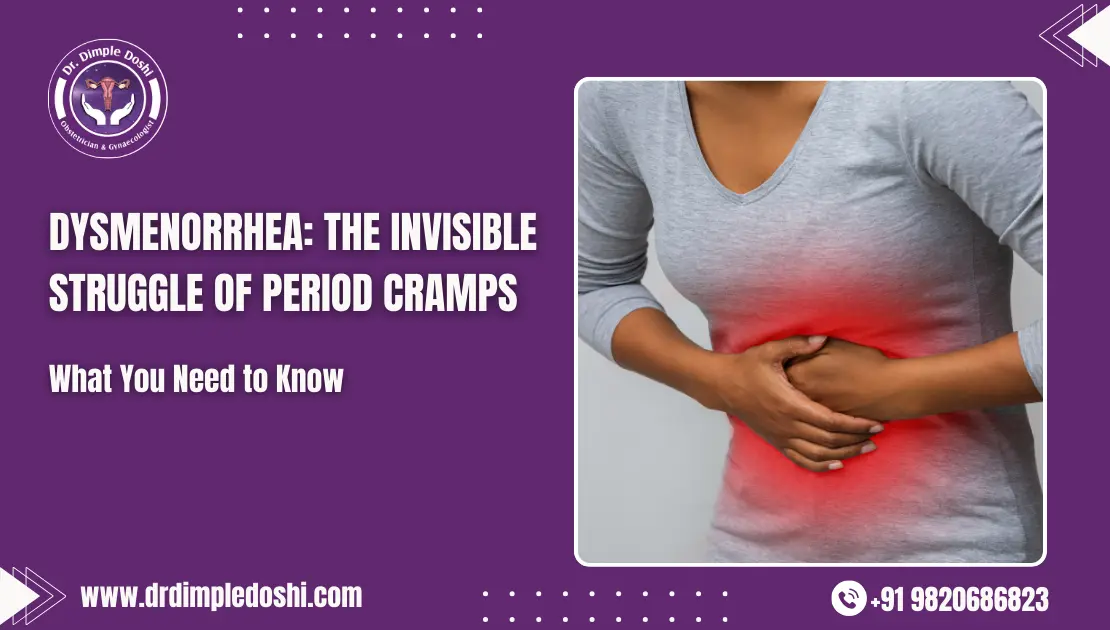
Many young girls and women are told that period pain is “normal” and should be tolerated. In reality, severe menstrual pain—called dysmenorrhea—can silently disrupt education, work, relationships, and mental health. Because the pain is invisible, it is often underestimated, leaving women to suffer quietly. As a gynecologist, I strongly believe no woman should normalize disabling period pain without evaluation.
What is dysmenorrhea?
Dysmenorrhea refers to painful menstruation caused by uterine contractions or underlying pelvic conditions. It can range from mild discomfort to severe, activity-limiting pain.
Clinically, dysmenorrhea is divided into primary and secondary types, and identifying the difference is extremely important for correct treatment.
What is the difference between primary and secondary dysmenorrhea?
Primary dysmenorrhea is common and functional, while secondary dysmenorrhea is due to disease.
Primary dysmenorrhea:
Affects nearly 50–95% of women
Occurs without any pelvic pathologySecondary dysmenorrhea:
Seen in about 10–15% of women
Caused by underlying gynecological conditions
In my clinical experience, secondary dysmenorrhea is often missed for years, especially in young women.
What causes primary dysmenorrhea?
Primary dysmenorrhea is caused by excess prostaglandins, hormone-like substances that trigger strong uterine contractions.
- Pain starts with the onset of periods
- Lasts 1–2 days
- Usually improves with painkillers or simple measures
- More common in teenagers and young women
What causes secondary dysmenorrhea?
Secondary dysmenorrhea is due to structural or inflammatory pelvic conditions. Pain often starts before periods, lasts longer, and worsens over time.
Common causes include:
- Endometriosis
- Adenomyosis
- Uterine fibroids
- Pelvic inflammatory disease (PID)
- Ovarian cysts
- Pelvic adhesions
Women often need high doses of painkillers for several days, yet relief remains incomplete.
What symptoms suggest secondary dysmenorrhea?
Red flags that should never be ignored include:
- Pain starting days before periods
- Pain lasting beyond menstruation
- Increasing pain with age
- Heavy bleeding or clots
- Pain during intercourse
- Poor response to routine painkillers
Dr. Dimple Doshi’s Tip:
If your period pain is worsening year after year, it is not “normal” and needs evaluation.
How is dysmenorrhea treated?
Medical treatment
Treatment depends on the cause and severity.
Pain relievers (NSAIDs):
Ibuprofen, mefenamic acid, naproxenAntispasmodics:
Drotaverine, hyoscineHormonal therapy:
Oral contraceptive pills or hormonal regulation for recurrent pain
Home remedies that support relief
These measures are helpful as add-on therapy:
- Warm compress or hot water bottle on the lower abdomen
- Gentle abdominal massage
- Warm fluids and herbal teas
- Light exercise, walking, yoga, and stretching
- Adequate hydration
Lifestyle modifications
Simple lifestyle changes can significantly reduce pain intensity:
- Reduce caffeine, alcohol, salty, and junk foods
- Increase magnesium-rich foods (nuts, bananas)
- Include omega-3 fatty acids (fish, flaxseeds)
- Practice stress reduction techniques like meditation
- Maintain regular physical activity throughout the month
When is advanced treatment required?
If dysmenorrhea is caused by conditions like endometriosis, fibroids, or adhesions, medical treatment alone may not be enough.
Diagnostic and therapeutic laparoscopy
Helps confirm the diagnosis and treat the cause in the same procedure
Minimally invasive with faster recovery
In my practice, laparoscopy has transformed the quality of life for many women with long-standing period pain.
When should you consult a gynecologist urgently?
Seek medical advice if:
- Pain is severe and lasts more than 2–3 days
- Pain interferes with work, school, or daily life
- Pain is associated with heavy bleeding or irregular cycles
- Painkillers are required every month in high doses
Conclusion
Dysmenorrhea is not just “period pain”—for many women, it is a sign that something deeper needs attention. Early diagnosis, personalized treatment, and compassionate care can prevent years of silent suffering.
At Vardaan Hospital, Goregaon West, Mumbai, I encourage women to listen to their bodies and speak up about pain. Menstruation should not steal your comfort, confidence, or control over life.